


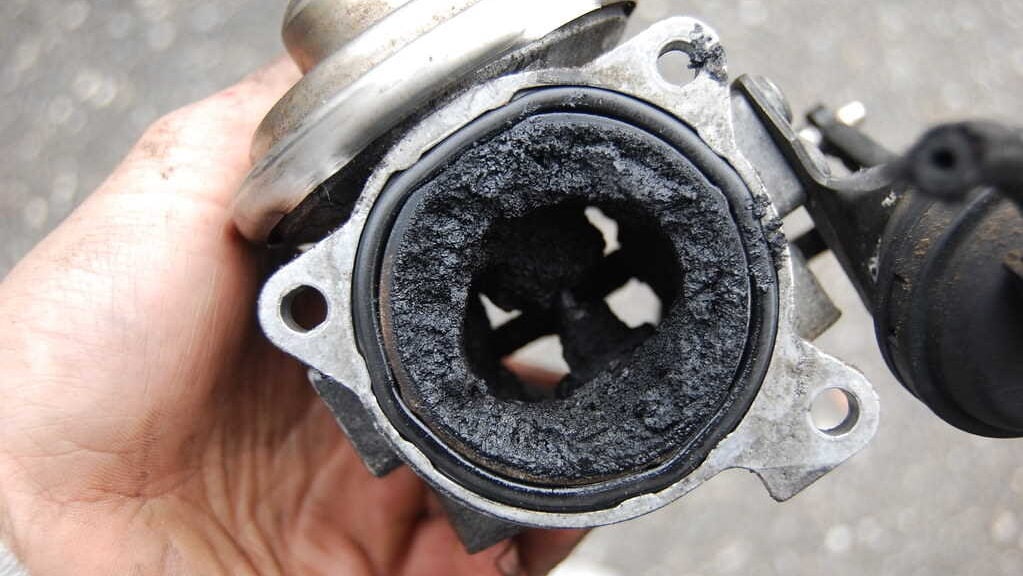
Modern vehicle engines are complex systems balancing power, efficiency, and emissions. Among the key components managing this balance is the Exhaust Gas Recirculation (EGR) system. While crucial for reducing harmful pollutants, it’s also a common source of performance issues. Understanding how it works and why it fails can help you recognise symptoms early. For persistent EGR problems, a professional car service is the best way to restore your vehicle’s efficiency and drivability.
What is the EGR System and How Does It Work?
The Exhaust Gas Recirculation (EGR) system is an emission control device designed to reduce nitrogen oxide (NOx) emissions from petrol and diesel engines. It works by recirculating a small, metered amount of exhaust gas back into the engine’s intake manifold.
The Core Principle: Lowering Combustion Temperatures
-
NOx Formation: Nitrogen oxides form under extremely high temperatures in the combustion chamber.
-
The Dilution Effect: By introducing inert exhaust gas into the fresh air-fuel mixture, the EGR system dilutes the intake charge.
-
Temperature Reduction: This dilution lowers the peak combustion temperature, significantly reducing the formation of harmful NOx gases.
Key Components of the EGR System
A properly functioning EGR system relies on several interconnected parts. During a car service workshop near me, a mechanic will inspect these components to ensure the system is operating as designed.
The EGR Valve is the heart of the system. This electronically or vacuum-controlled valve opens and closes to precisely regulate the flow of exhaust gas into the intake manifold.
EGR Cooler (on many modern diesels & some petrol engines) cools the recirculated exhaust gases before they re-enter the engine, increasing their density and further improving emission control efficiency.
Why Does the EGR System Cause So Many Problems?
The very nature of its job—handling hot, sooty exhaust gases—makes the EGR system prone to failures. The most common issue is carbon buildup, which leads to a cascade of performance problems.
| Common Issue |
Primary Cause |
Symptoms |
|
EGR Valve Clogging/Sticking |
Carbon and soot deposits |
Rough idle, stalling, loss of power, increased emissions |
|
EGR Cooler Blockage or Failure |
Coolant contamination or carbon buildup |
White smoke from exhaust, coolant loss, overheating |
|
Faulty Control Solenoids or Sensors |
Electrical failure or vacuum leaks |
Check Engine Light, poor performance, failed emissions test |
Carbon Buildup is the universal enemy. Over time, the oily particulates in exhaust gas stick to the EGR valve, cooler, and intake manifold passages. This restricts flow, causing the valve to stick open or closed, and severely hampers engine performance.
Symptoms of a Failing EGR System
Recognising the signs of EGR trouble can prevent more extensive damage. If you experience any of the following, it’s time for a professional inspection.
Poor Performance and Rough Idle: A valve stuck open floods the engine with inert gas, causing a rough, uneven idle, hesitation, and noticeable loss of power, especially during acceleration.
Key Warning Signs
-
Check Engine Light: The vehicle’s ECU will often trigger a warning light for EGR flow issues.
-
Increased Fuel Consumption: An inefficient EGR system disrupts the optimal air-fuel mixture.
-
Knocking or Pinging Sounds: If the valve is stuck closed, higher combustion temperatures can cause detonation.
-
Failed Emissions Test: High NOx readings are a direct indicator of EGR system failure.
Maintenance and Solutions for EGR Issues
Professional Cleaning can often resolve early-stage carbon buildup. During a comprehensive car service in Canberra, technicians can remove and clean the EGR valve and associated pipes, restoring proper function.
Component Replacement is necessary for severely clogged or mechanically failed parts like the valve or cooler. Using quality replacement parts ensures longevity and system integrity.
Preventative Measures
Regular Long Drives: Frequent short trips don’t allow the engine to reach optimal temperature, promoting carbon accumulation. Regular highway driving helps burn off deposits.
Quality Fuel and Oil: Using high-quality fuel and the correct specification engine oil can reduce the rate of carbon and soot formation.
Don’t Ignore EGR Warning Signs
A faulty EGR system compromises your vehicle’s performance, fuel economy, and environmental compliance. Early diagnosis and repair are more cost-effective than dealing with the consequences of complete failure, such as damaged intake components or chronic overheating.
Expert Diagnosis is crucial. EGR symptoms can mimic other engine problems. Professional technicians use specialised diagnostic tools to accurately read fault codes and test valve operation, ensuring the correct fix is applied.
Ensure Your EGR System is Functioning Properly
If your vehicle is experiencing rough running, poor performance, or a lit check engine light, a faulty EGR system could be the culprit. Book a Comprehensive Service today for a thorough inspection and cleaning. The skilled team at Advanced Mobile Autocare has the expertise to diagnose and resolve EGR issues efficiently. Call Us for expert advice and reliable repair, keeping your vehicle running cleanly and smoothly.
FAQs
Can I drive with a faulty EGR valve?
While you might be able to drive, it’s not recommended. It can lead to poor performance, higher emissions, and potentially damage other engine components over time.
How often should the EGR system be cleaned?
There’s no fixed schedule, but inspection during major services (e.g., every 80,000-100,000 km) is wise, especially for diesel engines or vehicles used mainly for short trips.
Is it expensive to repair an EGR system?
Costs vary. A simple cleaning is relatively inexpensive. Replacing the valve or cooler, especially on modern diesels, can be more costly due to part prices and labour.
Can a blocked EGR cause a loss of power?
Yes, absolutely. A valve stuck open dilutes the intake charge too much, robbing the engine of power and causing a sluggish response.
Do all cars have an EGR valve?
Most modern petrol and diesel engines have an EGR system to meet emission standards. Some newer petrol engines use alternative technologies like variable valve timing to control NOx.