


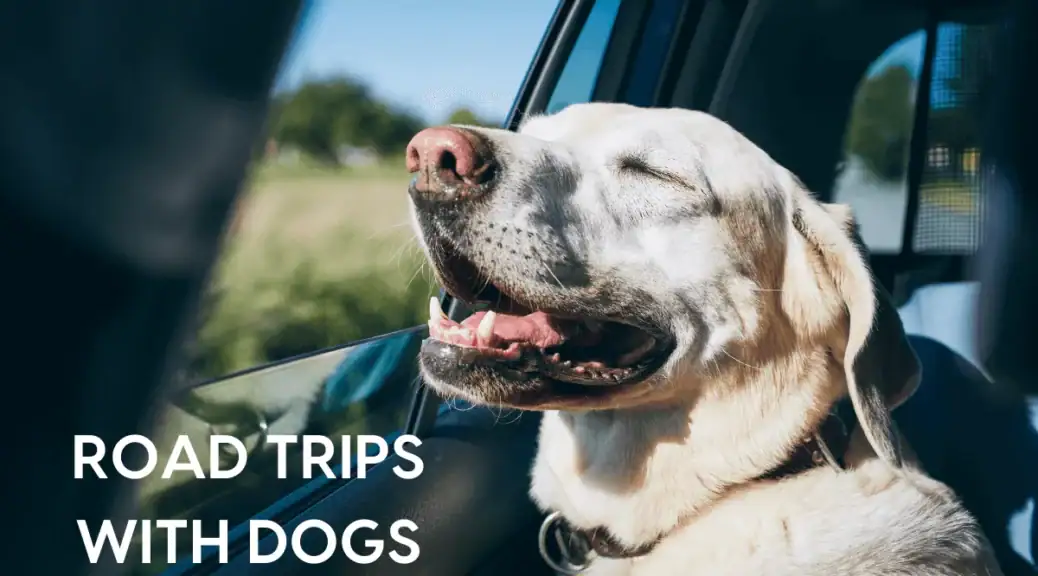
How to Prepare Your Car for a Safe Road Trip With Pets
Your vehicle also needs to be ready for the extra load, longer driving hours, changing weather and more frequent stops. A safe road trip with pets starts with both your pet and your car being properly prepared.

Why your car matters more when travelling with pets
Road trips with pets usually mean more weight in the car, more cabin heat, more idling during stops, and less flexibility if something goes wrong on the road.
Even a small issue like weak battery performance, worn brakes or poor cooling can turn into a much bigger problem once you are travelling with animals in the vehicle.
Around Canberra, we also deal with frosty mornings, longer regional drives and changing road conditions. That makes it even more important to make sure the vehicle itself is ready before you head off.
Before the trip: what to check on the car
Check the cooling system
Pets are far more vulnerable to heat stress than people. If your cooling system is not working properly, the cabin can become uncomfortable very quickly, especially in traffic or during warm weather.
Make sure coolant level, radiator condition and engine temperature behaviour are all normal before a longer trip.
Inspect the battery and charging system
A weak battery might seem fine during short local driving, then fail when you stop for fuel, food or rest during a trip.
If the battery is older, cranking is slower than usual, or there have been any warning signs, it is worth checking before you travel.
Check brakes and tyres
A fully loaded car with pets, luggage and passengers places more demand on the braking system and tyres.
If the brakes are already noisy, pulsing or wearing unevenly, or if the tyres are low on tread, those issues should not be ignored before a road trip.
Test air conditioning and cabin airflow
Good airflow is not just about comfort. It is important for your pet’s safety.
If your air conditioning is weak, smells unusual, or struggles in hot weather, it should be looked at before you spend hours on the road.
A real example we see before longer trips
We recently checked a vehicle in Canberra before a regional trip where the owner was travelling with their dog.
The car had no warning lights, but battery performance was already weak and close to failure. Replacing it before the trip avoided the risk of getting stranded during fuel or rest stops with a pet in the vehicle.
This is a good example of why pre-trip checks matter. Many problems do not show up as major symptoms until the car is put under more stress.

Practical safety tips for travelling with pets
Use proper restraint
Pets should be secured with a crash-tested harness, pet seat belt or travel crate.
Letting them move freely around the cabin is distracting and unsafe.
Plan regular stops
Stop every few hours for water, toilet breaks and a short walk.
This also gives you a good chance to notice any tyre, brake or overheating issues early.
Watch cabin temperature
If the vehicle struggles to stay cool, do not ignore it.
Pets can overheat much faster than drivers realise, especially after the engine has been running for hours.
Pack for the pet and the car
Bring pet food, water, medication, bedding and waste bags, but also think about the car itself.
Basic fluids, tyre pressure, and warning light checks still matter.
Listen for warning signs
Strange noises, brake vibration, overheating, poor starting or dashboard warnings should not be brushed off before a long drive.
Do a quick check before leaving
Even a simple inspection before departure can reduce the chance of breakdowns and keep the trip safer for everyone in the car.
What to pack for a pet-friendly road trip
- Pet essentials: lead, harness, crate, food, bowls, medication and bedding
- Hydration items: fresh water and portable bowl
- Cleaning items: wipes, towels, waste bags and spare liners
- Comfort items: favourite toy or blanket to reduce stress
- Vehicle basics: check tyre pressure, coolant level and battery condition before you go
When it is worth checking the vehicle first
If the car has been showing any signs of trouble lately, such as slower starting, brake noise, steering vibration, overheating, warning lights or poor air conditioning performance, it is usually worth getting it inspected before a road trip.
You can learn more about our on-site vehicle checks here:
mobile mechanic Canberra.
Safe road trips with pets are not only about pet restraints and packing lists. The vehicle itself plays a big part in the journey.
A well-prepared car is less likely to overheat, break down or create unnecessary stress while you are travelling with animals on board.
A little preparation before you leave can make the trip smoother, safer and far more comfortable for both you and your pet.