


Rising petrol prices have Australian motorists searching for ways to cut fuel costs. Regular vehicle maintenance plays a crucial role in optimising fuel consumption. A professional car service can significantly improve your vehicle’s efficiency and save you money at the pump. Understanding the connection between maintenance and fuel economy helps drivers make informed decisions about their vehicle care.
How Regular Servicing Impacts Fuel Consumption?
Your vehicle’s fuel efficiency depends on multiple interconnected components working optimally. Neglected maintenance leads to increased fuel consumption and higher running costs. Professional technicians identify and resolve issues that directly affect your vehicle’s performance.
Key Components That Affect Fuel Economy
-
Engine oil and filters: Clean oil reduces friction and improves combustion efficiency significantly
-
Air filters: Clogged filters restrict airflow, forcing the engine to work harder
-
Spark plugs: Worn plugs cause incomplete combustion and waste fuel unnecessarily
-
Tyre pressure: Underinflated tyres increase rolling resistance and fuel consumption dramatically
Engine Performance and Efficiency
A well-maintained engine burns fuel more efficiently than a neglected one. During a car service workshop near me, mechanics inspect critical engine components. They replace worn parts that compromise performance and fuel economy.
Oil changes are fundamental to maintaining engine health and efficiency. Fresh oil lubricates moving parts effectively, reducing friction and heat. This allows your engine to operate smoothly with minimal energy waste.
Dirty air filters restrict oxygen flow to the combustion chamber. Your engine compensates by burning more fuel to maintain power. Replacing air filters during servicing restores optimal air-fuel mixture ratios.
Fuel System Maintenance Benefits
| Service Component |
Fuel Efficiency Impact |
Recommended Frequency |
|
Fuel filter replacement |
Prevents blockages |
Every 40,000 km |
|
Injector cleaning |
Improves spray pattern |
Every 60,000 km |
|
Throttle body service |
Enhances air intake |
Every 80,000 km |
Fuel injectors spray petrol into the combustion chamber in precise patterns. Carbon deposits disrupt this spray, causing inefficient burning and increased consumption. Professional cleaning restores proper injector function and fuel atomisation.
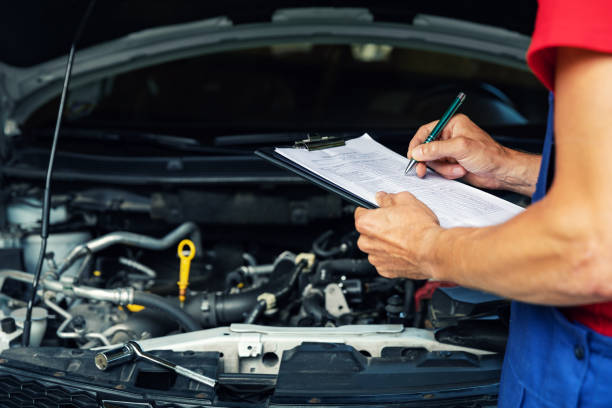
Tyre and Wheel Alignment Factors
Car service in Canberra professionals check tyre condition and pressure during routine maintenance. Properly inflated tyres reduce rolling resistance by up to 3%. This translates to noticeable fuel savings over time.
Wheel alignment affects how your vehicle tracks on the road. Misaligned wheels create drag and force the engine to work harder. Regular alignment checks ensure your vehicle rolls efficiently.
Tyre Maintenance Checklist
-
Check pressure monthly using a quality gauge for accuracy
-
Rotate tyres every 10,000 kilometres to ensure even wear
-
Replace worn tyres promptly to maintain optimal grip and efficiency
-
Balance wheels during rotation to prevent vibration and uneven wear
Transmission and Drivetrain Care
Transmission fluid lubricates gears and ensures smooth power transfer from the engine to the wheels. Degraded fluid causes sluggish shifts and increased fuel consumption. Regular fluid changes and a car service can maintain transmission efficiency and prolong component life.
Differential service often gets overlooked, but it impacts fuel economy significantly. Clean differential fluid reduces friction in the drivetrain system. This allows power to transfer more efficiently to the wheels.
Emission Control System Efficiency
Oxygen sensors monitor exhaust gases and adjust the air-fuel mixture accordingly. Faulty sensors cause the engine to run rich, wasting fuel. Replacing worn sensors during servicing optimises combustion and reduces emissions.
Catalytic converters must flow freely to maintain engine efficiency. Blocked converters create back pressure, forcing the engine to work harder. Regular inspections identify converter issues before they affect fuel economy.
Cost-Benefit Analysis of Regular Servicing
Preventative maintenance costs less than repairing neglected components or wasting fuel. The average Australian driver can save hundreds annually through improved fuel efficiency. Regular servicing also extends vehicle lifespan and maintains resale value.
Diagnostic equipment used during modern servicing identifies inefficiencies invisible to drivers. Technicians can pinpoint problems early, preventing costly repairs and fuel waste. This proactive approach maximises your vehicle’s performance and economy.
Take Action for Better Fuel Economy
Don’t let poor maintenance drain your wallet at every fuel stop. Book a Comprehensive Service today and experience noticeable fuel savings. Professional technicians from Advanced Mobile Autocare will optimise your vehicle’s efficiency and identify potential issues. Call Us for a quick car service and extend the lifespan of your vehicle.
FAQs
How often should I service my vehicle for optimal fuel efficiency?
Most manufacturers recommend servicing every six months or 10,000 kilometres for best results.
Can driving habits affect fuel efficiency more than servicing?
Yes, aggressive acceleration and speeding reduce efficiency by up to 33% on highways.
Do newer cars need less frequent servicing?
Modern vehicles still require regular maintenance, though intervals may be slightly extended.
What’s the most cost-effective service for improving fuel economy?
Replacing air filters and maintaining correct tyre pressure offers the best return.
Can I check fuel efficiency issues myself?
Basic checks like tyre pressure are possible, but diagnostic equipment reveals hidden problems.